


POWERBALL
PRODUCT DESIGN

Bringing the world's biggest lottery game to the UK — and solving the problem that killed the same project a decade earlier.
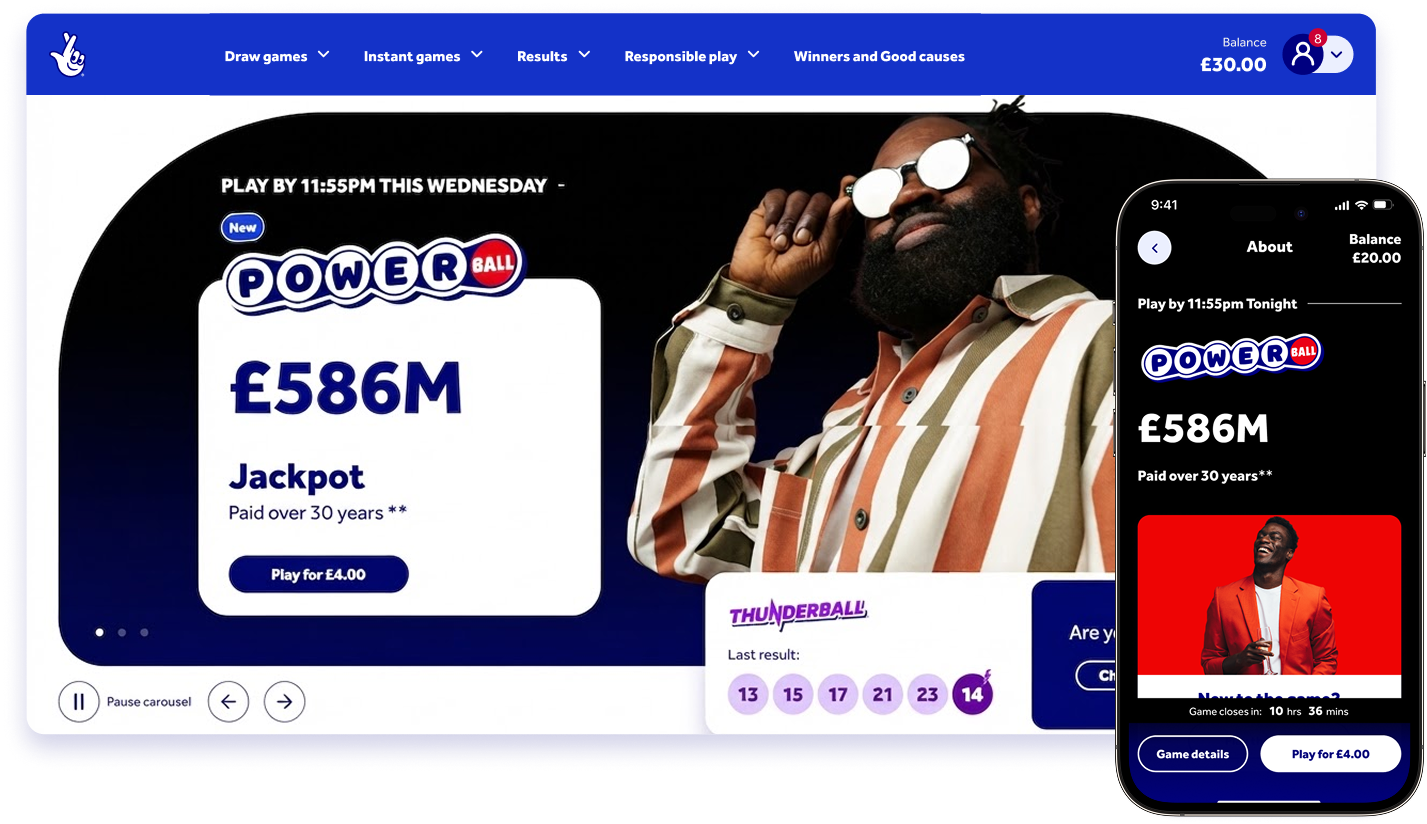
Overview
BIG GAME, NO BRIEF
Two weeks into the job, knowing almost nobody at Allwyn, I was handed Project Stripe: launching Powerball in the UK. It was the biggest new game for The National Lottery since EuroMillions in 2004, it was written into Allwyn's licence commitments, and it had a hard July 2026 deadline. Miss it and the Gambling Commission could come for the licence.
What I didn't have was a brief, any branding, or permission to talk to our tech partner — the project was under such tight NDA that I couldn't get so much as an estimate out of them. I led design end-to-end anyway: the research, the stakeholders, the delivery, and a strategic call that went all the way to our CEO. Powerball launched in July 2026 rolling to £567m in three weeks, making £47m for Allwyn and nearly £12m for good causes.
PROJECT TIMELINE
Sep 2025 - Dec 2025
ROLE + RESPONSIBILITY
Senior Product Designer (Design Lead) — led design and research end-to-end, managed three designers, and steered stakeholders from squad level to C-suite
TEAM + TOOLS
Cross-functional squad (PM, researcher, designers), working across brand, retail, marketing, games, tech and product
FIGMA | DSCOUT | DOVETAIL | MIRO
THE problem
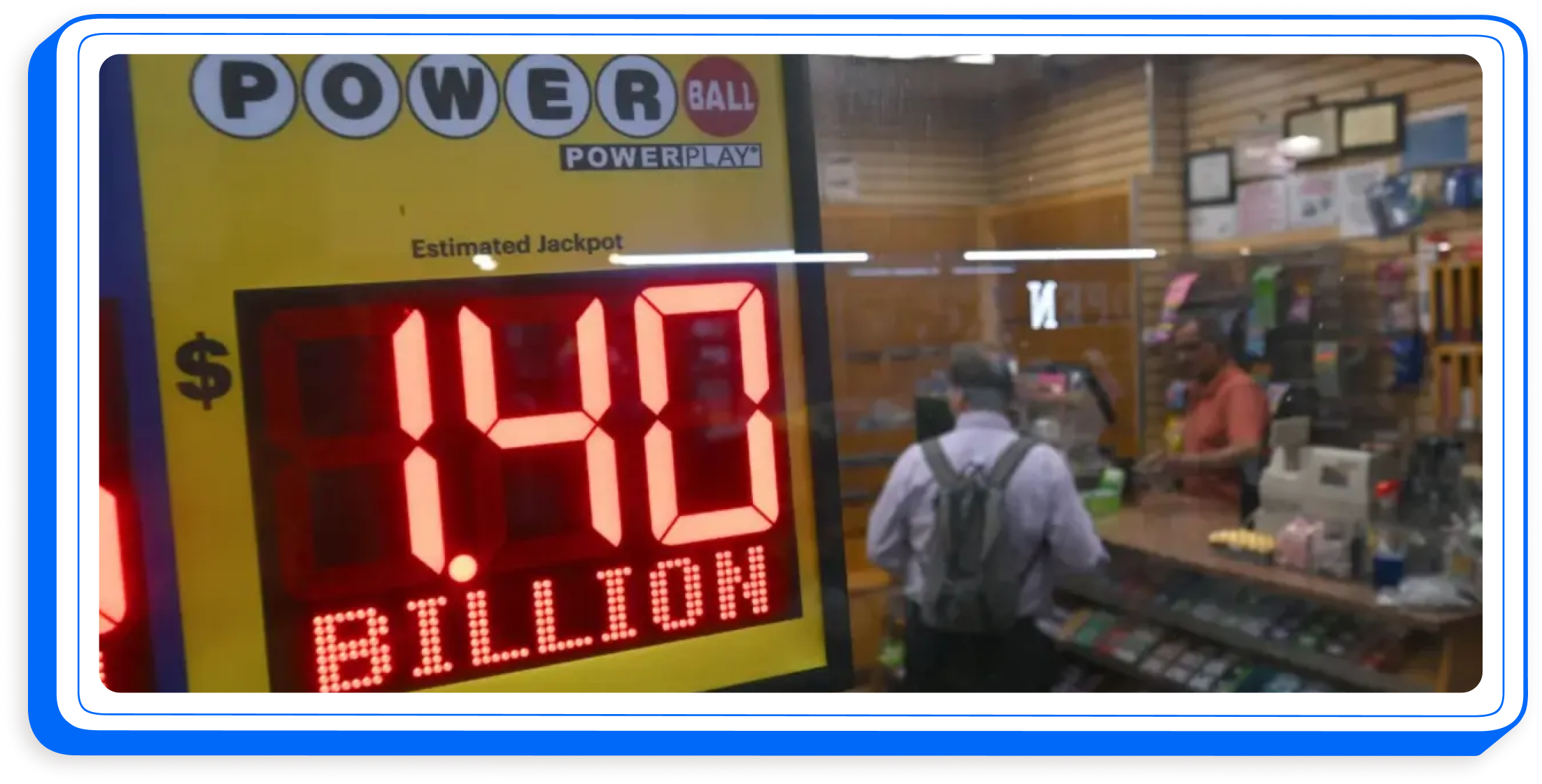
Powerball is drawn at 4AM UK time on Tuesday, Thursday and Sunday. Every other draw-based game we run closes and draws on the same day. We were legally obliged to tell players when the draw took place — but advertising a jackpot against days when nothing visible happens would send people to the wrong place at the wrong time. Given that 93% of our players buy when they see a big rollover, getting this wrong would have been expensive. Camelot had tried to bring Powerball to the UK ten years earlier and abandoned it for exactly this reason.
The Solution
Getting this project successfully off the ground took relationship-building across a business that hadn’t built a new game before, a research programme run at pace, and a design system solid enough to let us build an entire digital estate before we had a single brand asset. I ended up covering a fair bit of ground that wasn't strictly mine — steering brand, content and strategy in the absence of direction from the business.
Phase 1
Greyscale MVP
Phase 2
Game mechanics
Recurring
Discovery

Nov 25 - Dec 25
Sep 25 - Dec 25
Sep 25 - Nov 25

Ran a sprint planning workshop two weeks into the job to find and align 35+ stakeholders
Five research sprints in four weeks, dozens of prototypes, 227 testers
Led research & design reviews with brand, legal, marketing and retail to get that sweet sign-off
MoSCoW'd an unfinished brief down to something we could ship


Built the entire product, using the design system, with no branding

When the branding finally landed, we could switch it on in a day

Reframed the whole game around 'play days' rather than draw days
Created dozens of prototypes to iterate and find the right solution
Won C-suite sign-off before Xmas unblocking the January dev start
Recurring - Discovery
GETTING THE BALL ROLLING 😉
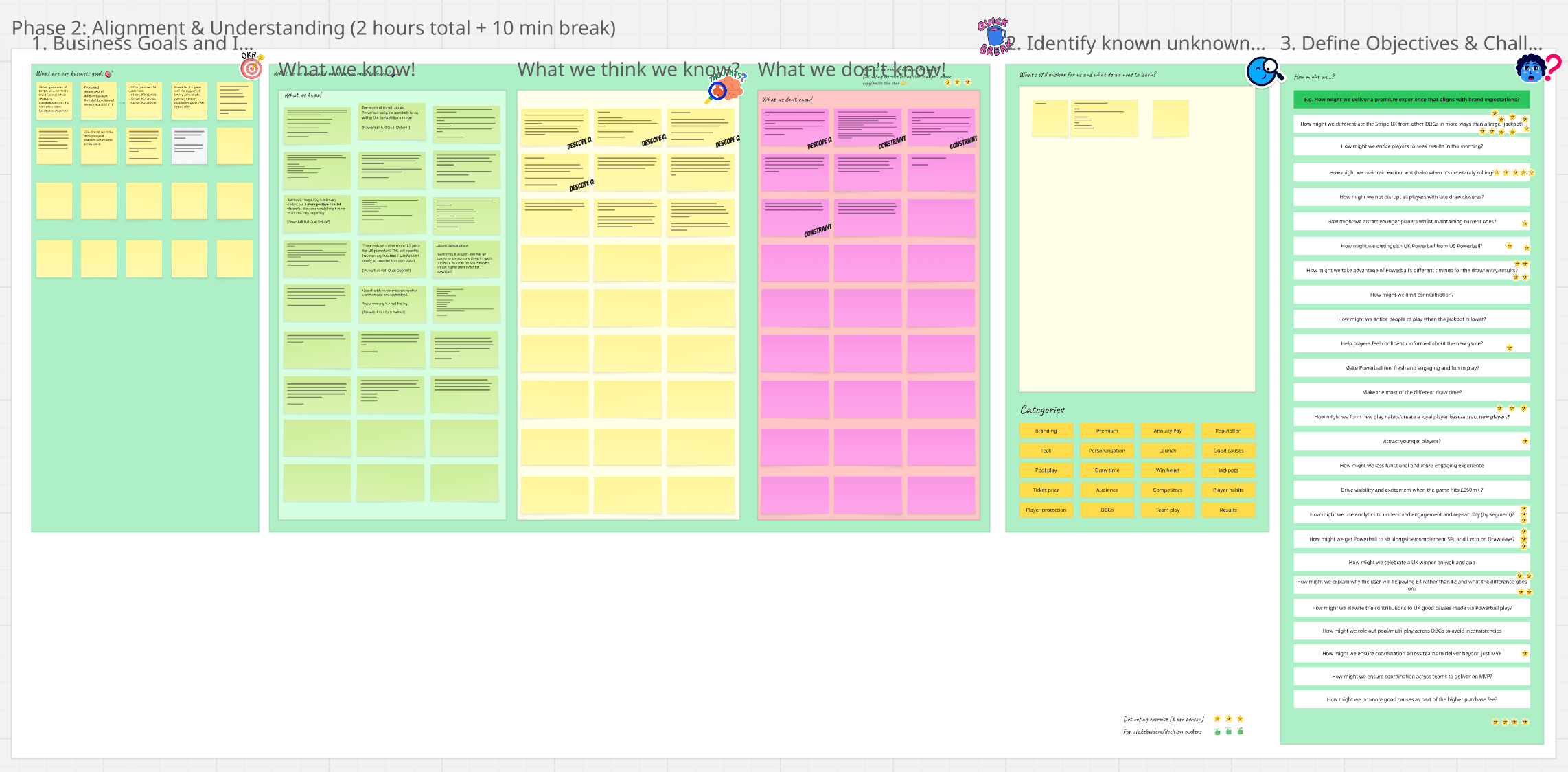
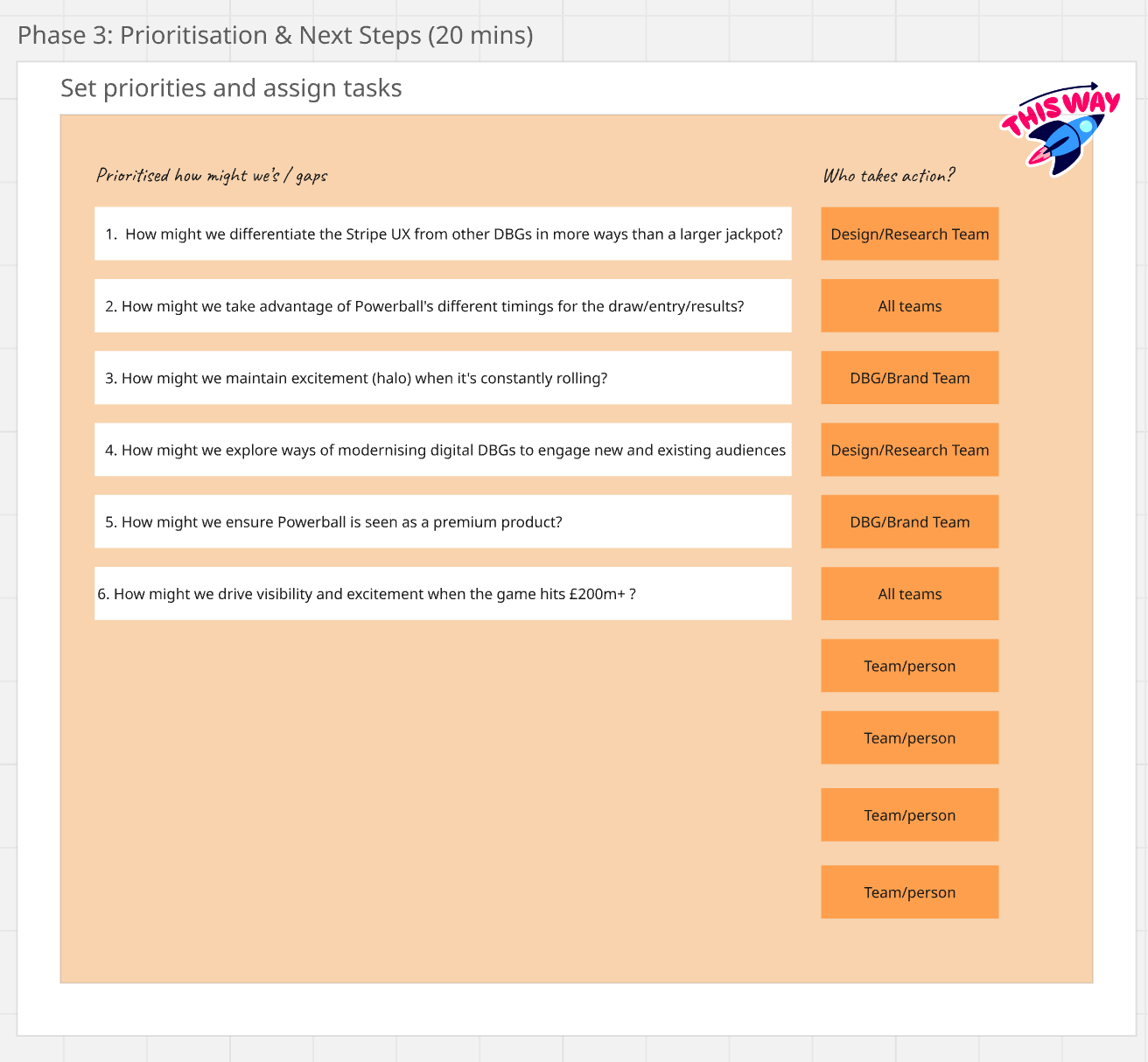
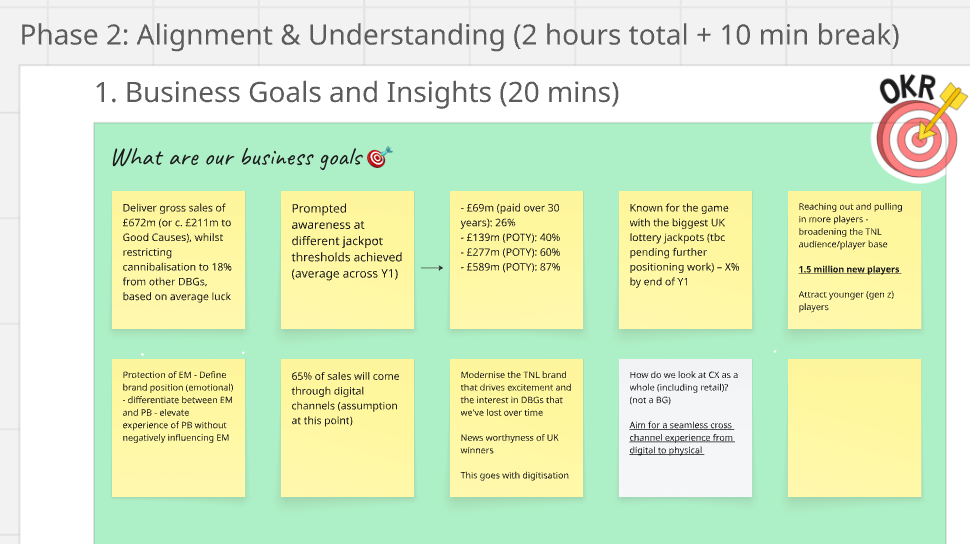
To orientate myself I ran a sprint planning workshop with every stakeholder I could track down, which turned out to be the most useful thing I did all year.
It surfaced what we were actually up against: the finalised brief wouldn't arrive until October, branding wouldn't arrive until December, and the NDA meant our tech partner couldn't be brought in to size any of it.
It also gave us our first design territories — how to make Powerball feel distinct from our other draw games, how to build excitement when a rollover is climbing, and how to sell win belief on a game costing £4 a line.
THE STAKES
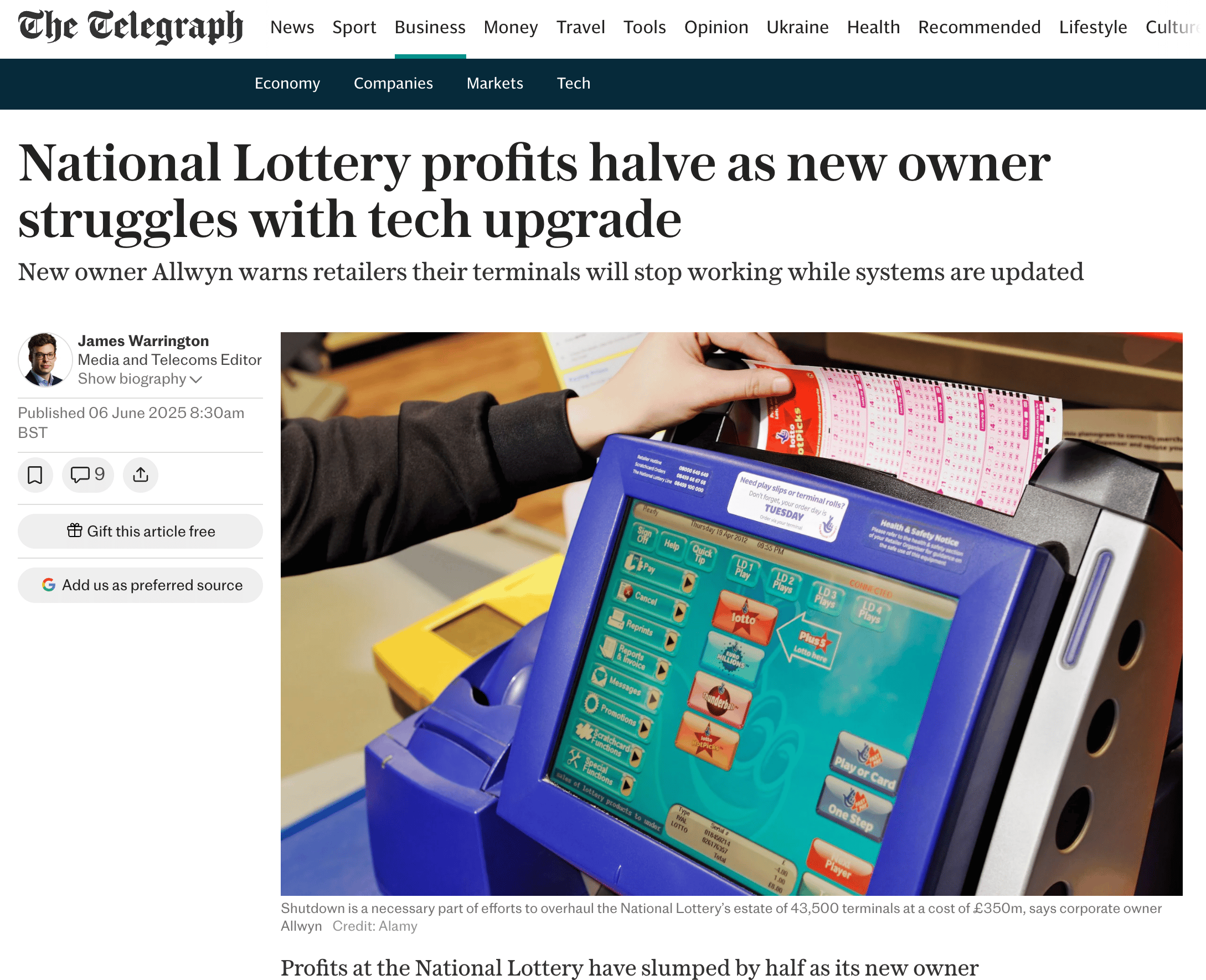
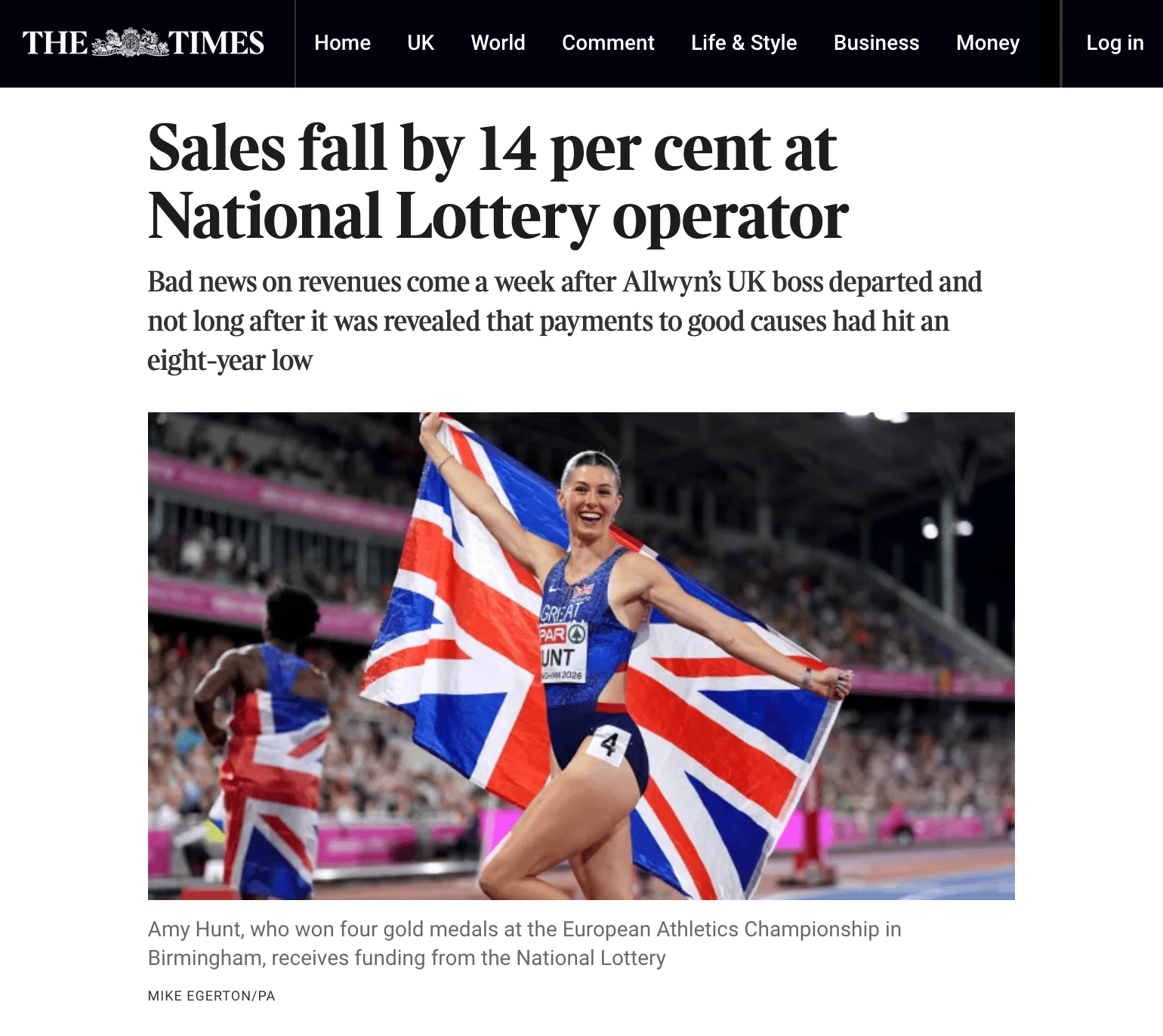
None of this was happening in a vacuum. We'd only recently moved off Camelot's legacy tech, and the cutover had been rough — bugs, a new look and feel for our instant win games, and navigation problems that were quietly attriting our player base. Not to mention we were already four years into our license and the Gambling Commission were demanding to see results, or we might well lose it due to their very stringent rules. There was a lot at stake here, meaning all eyes were on us. Powerball had to land.
Allwyn’s players
93%
of users play for high advertised jackpots
69%
Of users buy tickets the night of the jackpot
89%
of users would play a super Jackpot game
phase one - Greyscale MVP
A MoSCoW'D MVP
The finalised brief arrived at the very end of September, which finally let us brief our tech partner. They came back quickly: December was the hard cut-off for designs if we wanted to go live in July.
That gave us two and a half months to cover a large digital estate with no brand assets. Assuming we would get those and no other hiccups, that was very doable. However, things didn’t transpire that way.
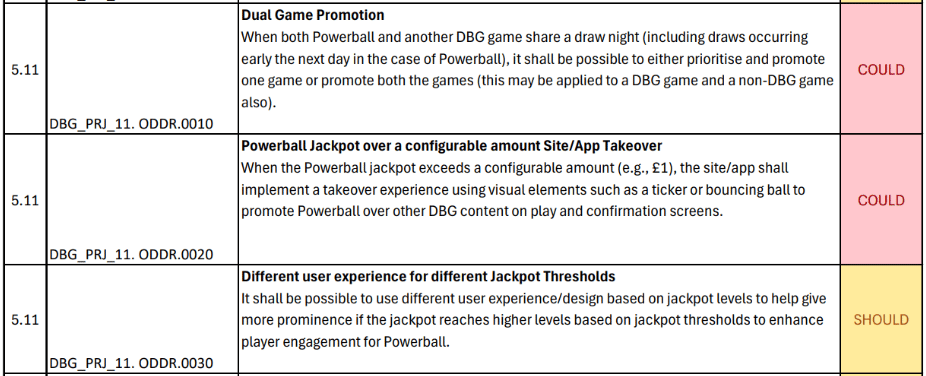
So we ran a MoSCoW exercise and got ruthless. Homepage takeovers, dynamic jackpot prominence and the more interesting premium-positioning work all went into a later phase.

GOING SLIGHTLY GREYSCALE
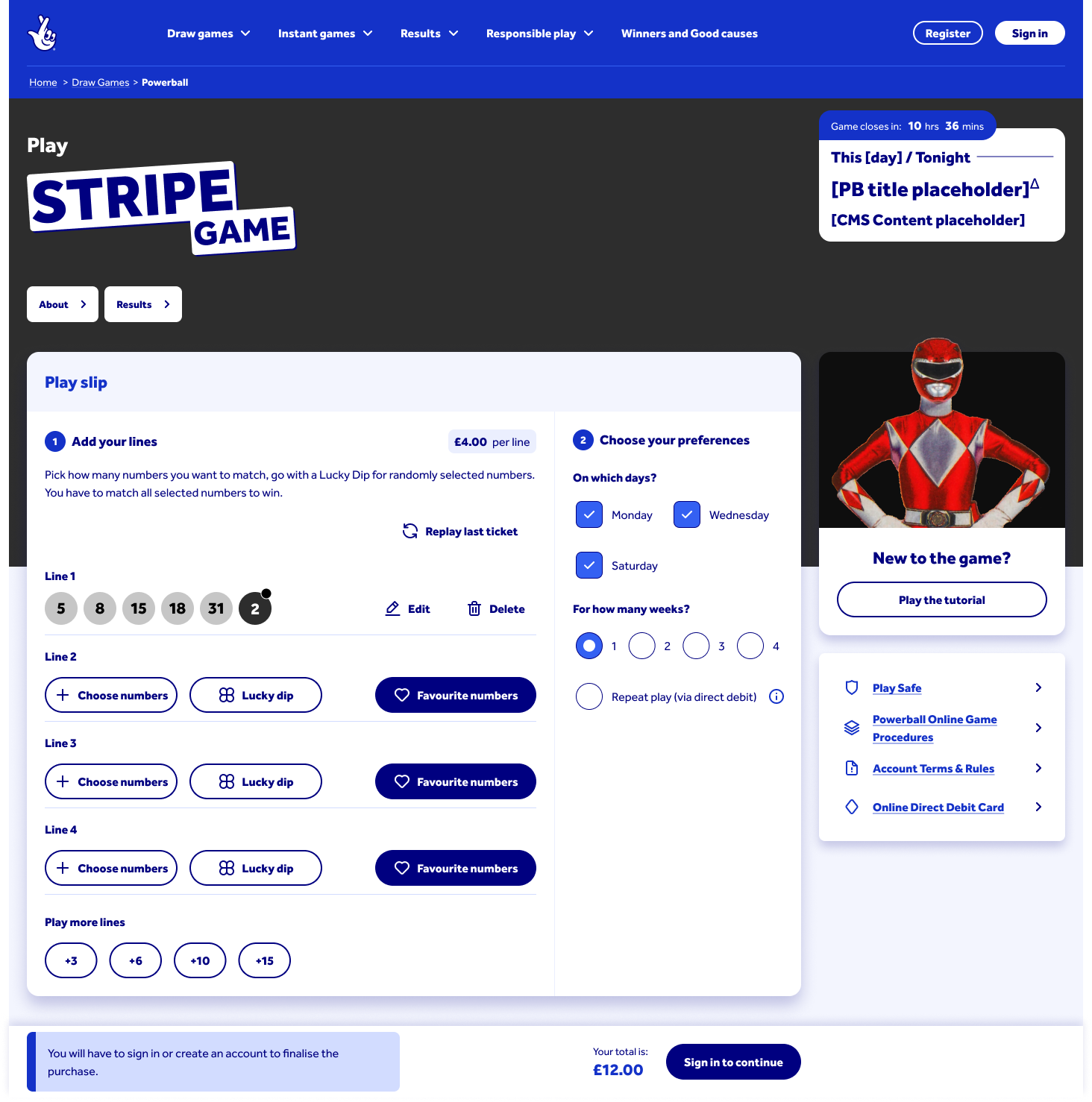
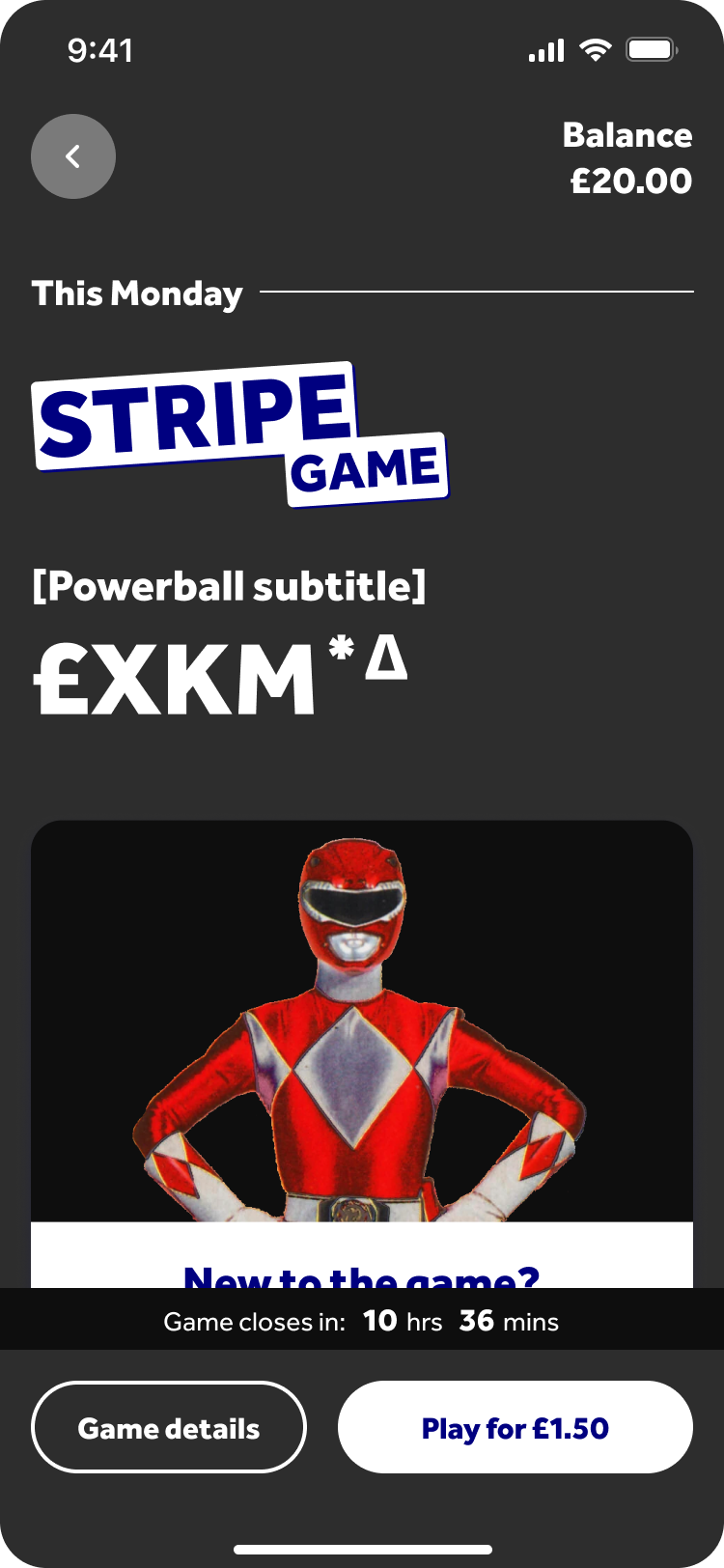
We couldn't wait for branding, so we stopped waiting. I built the in-scope files in greyscale with dummy assets, so our developers had a skeleton to work against while the brand agency caught up.
This only worked because of the design system hygiene work my team and I had been doing alongside all of this. Our files were a mess, inherited from an agency, with no consistency and no basis in the design system.
I personally spent a lot of time re-creating components & patterns, as well as tokenising assets with our de-facto design system manager. This meant when the assets finally arrived on Dec 14, four days from cut off, it took just a day to get everything ready for the devs.
Phase 2 - Game mechanics
THE BIZARRELY UNFORESEEN PITFALL
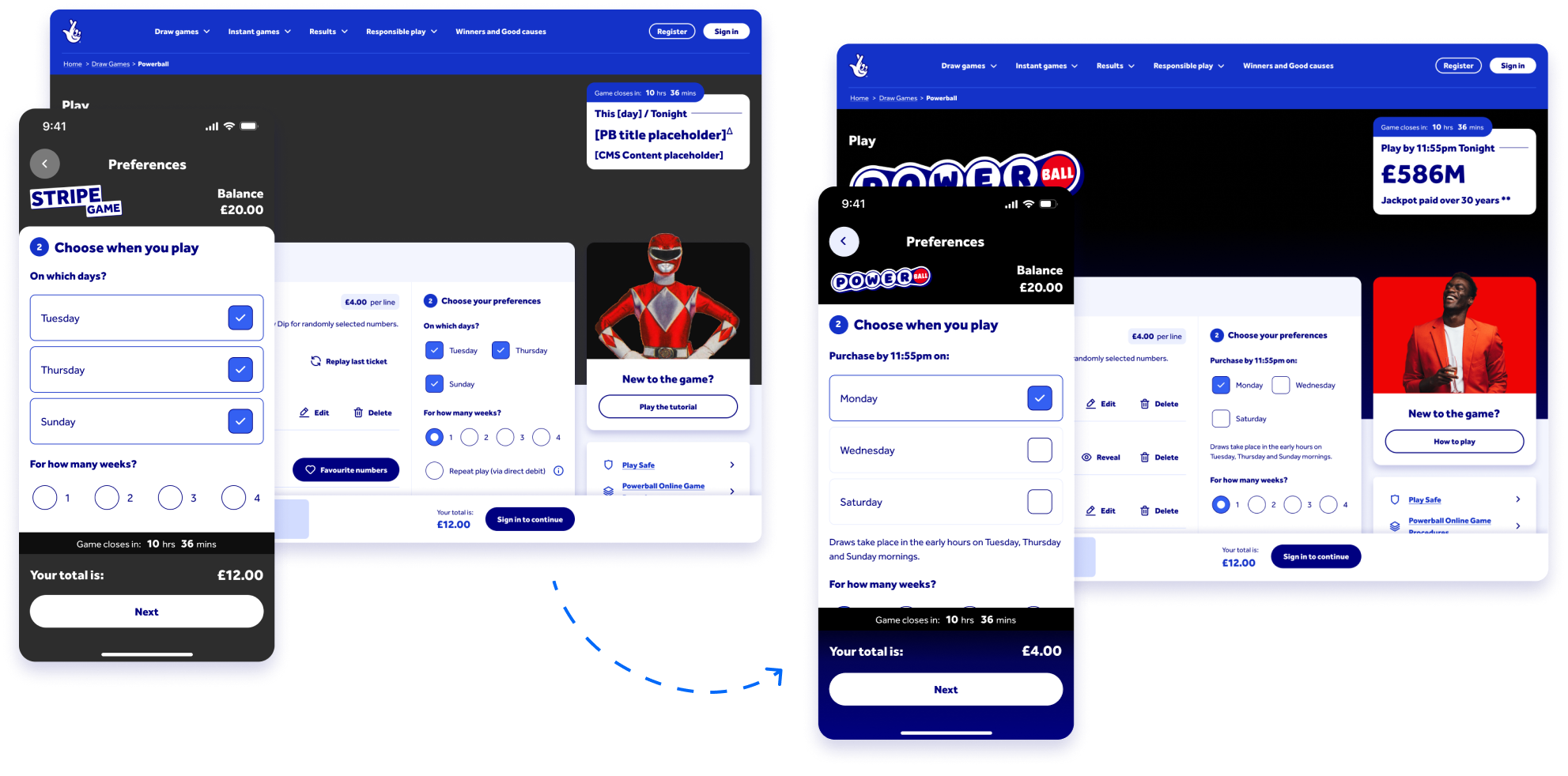
While we were grey-scaling, Product were adamant that the playslip should show Tuesday, Thursday and Sunday, as it does in the US. Because Legal. In the UK that means the draw happens on those days... at 4AM. Players didn’t get it, when we tested the designs. If we advertised a jackpot for a Tuesday, players who typically buy their tickets on the day would show up to buy a ticket, only for it to have gone. Shockingly, the business hadn’t foreseen or figured this out, and as I later found out, this same issue is why Camelot (our predecessor) abandoned the project a decade earlier.
Taking the reins
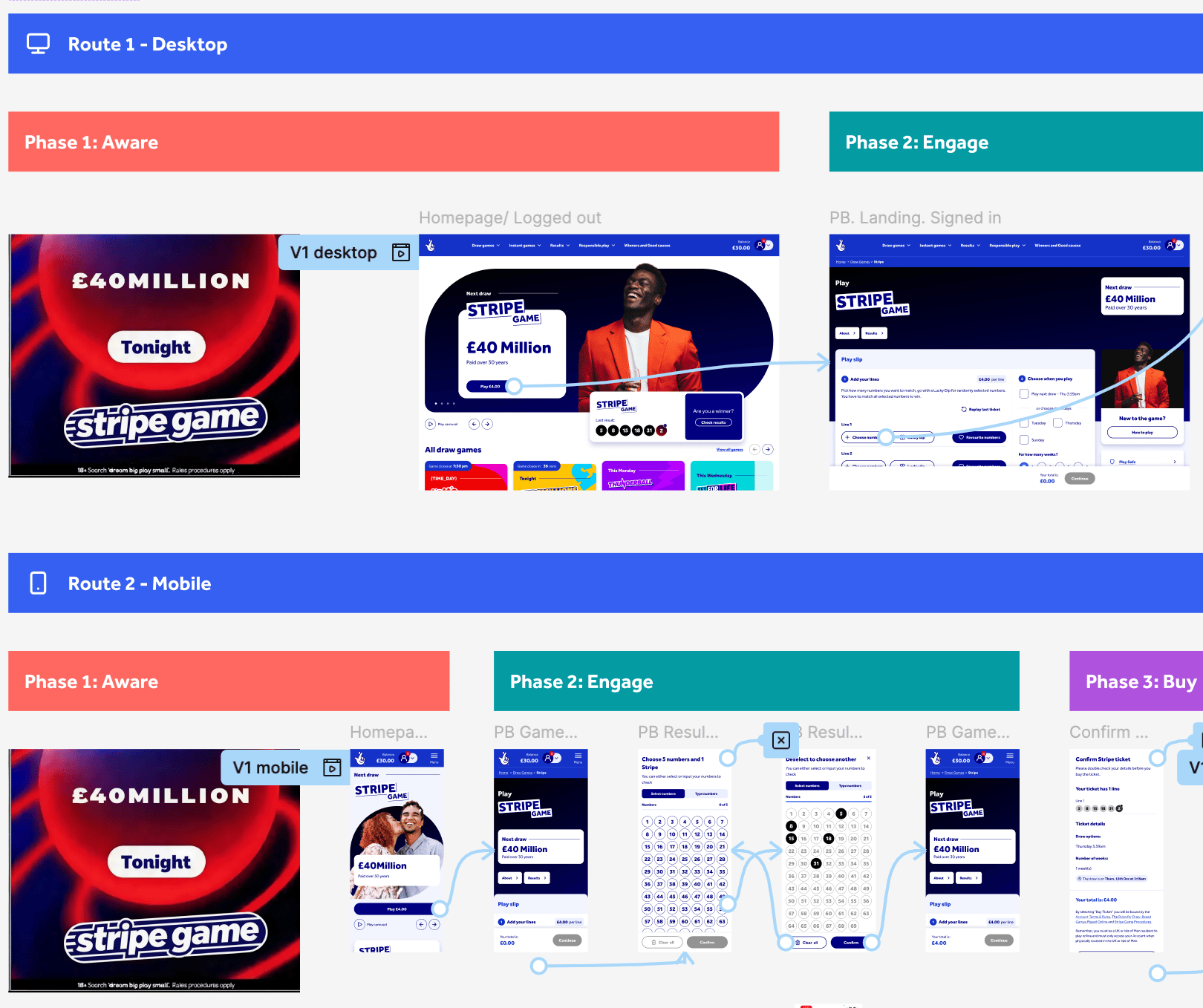
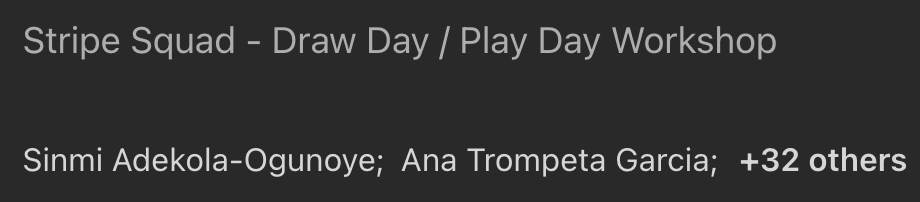
Working in a highly regulated space, how we communicate to players isn't a matter of preference. To settle the arguments, I proposed testing our strongest concepts and was handed the reins to do so. Leading marketing, advertising, legal, retail and tech I ran five research sprints in four weeks: back-to-back prototyping, iterating, eliminating and validating along with my team and lead researcher.
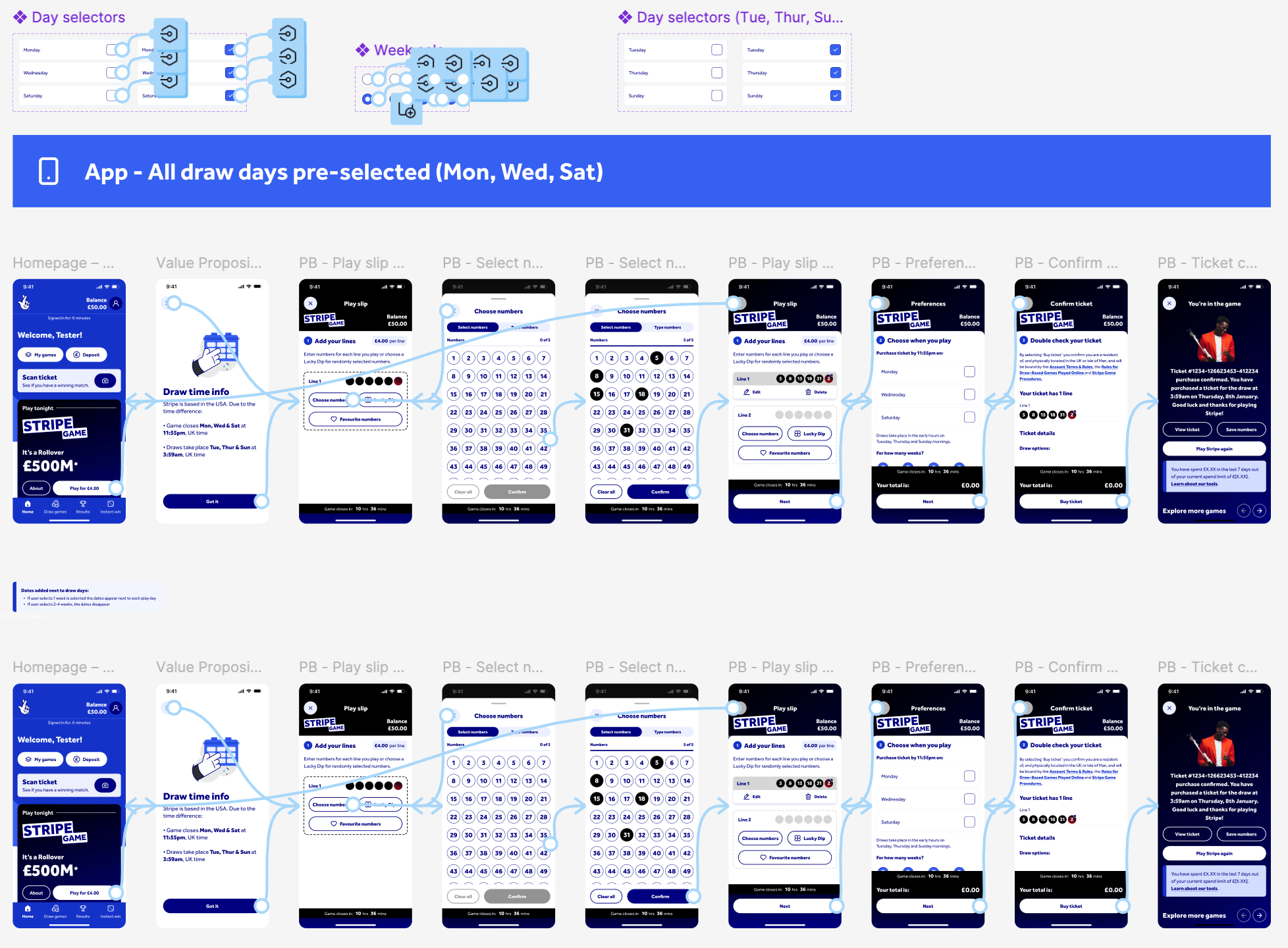
To make the experience as lifelike as possible we used variables so Figma would calculate tickets & costs, whilst also mocking up adverts and running the tests on the days that the game would be played on.
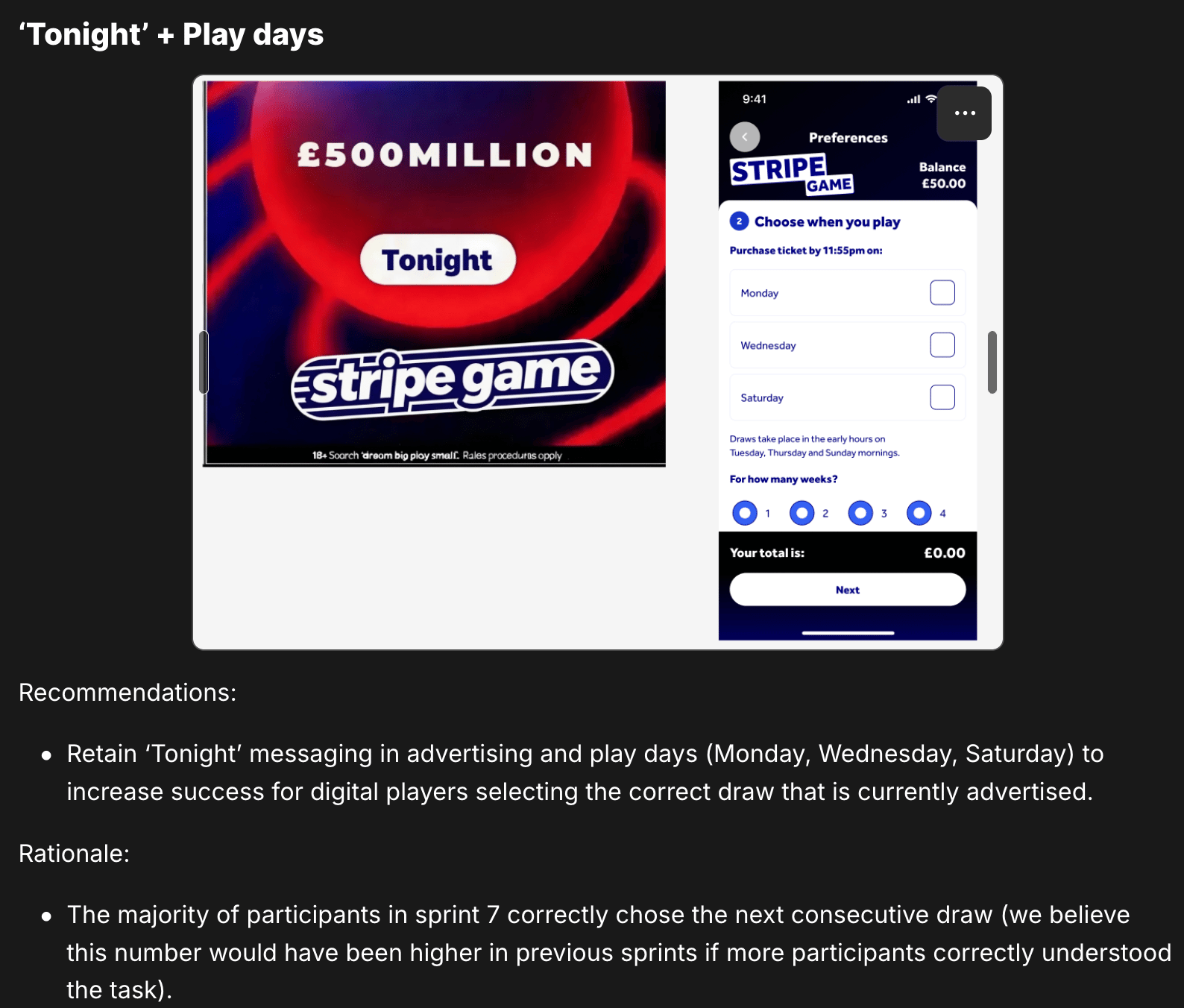
Play day, not draw day
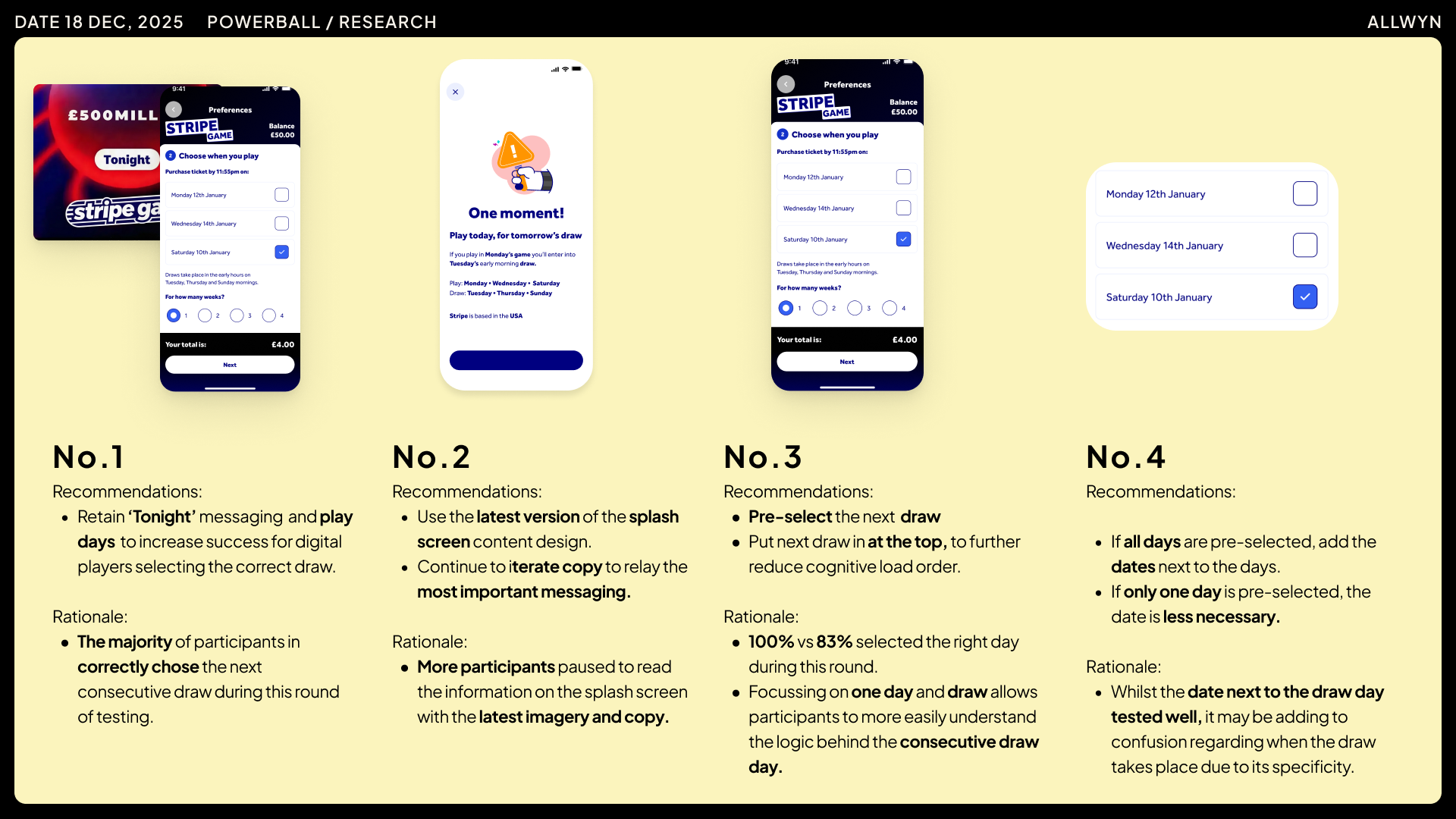
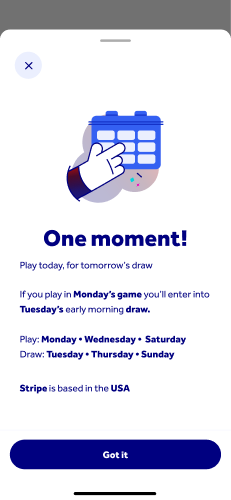
Testing dozens of prototypes across desktop, mobile and app, with 227 people, we soon weeded out the good from the bad and galvanised all of these stakeholders and departments around one, very simple, idea. We advertised and sold against Play Days — Monday, Wednesday and Saturday — with betting closing at 11:55pm. The draw days remained the same, at 4am, for legal reasons, and I was able to silence dissent.
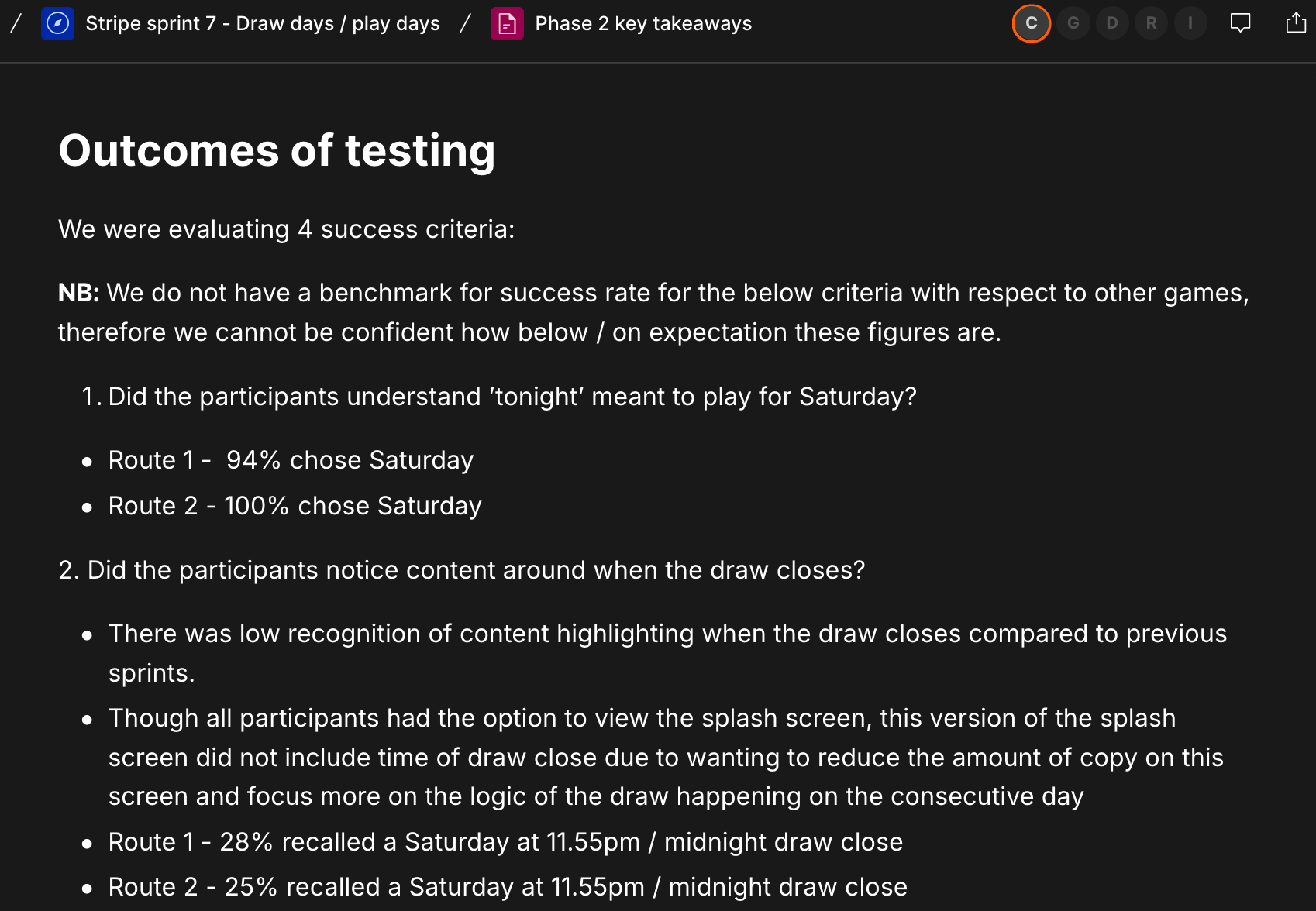
Tweaking the design and messaging was the solution, preserving players mental models: see jackpot → play tonight. It was the only one that got 100% success rates and our launch sales proved that.
Convincing the business
Thanks to my domain knowledge I presented the recommendation to our MD of Digital on a call with 35 people from across the business, fielding every question under the sun, for an hour. I was very sweaty afterwards. From legal exposure to marketing implications and other associated risks, I defended this solution, with the research doing the arguing for me. As a result we got c-suite sign off before the holiday shutdown.This meant development could start in earnest in January, and we wouldn’t miss our July go-live date. Our mocked up advertising also became the messaging across the digital and physical estate.
TNL’s POWERBALL
Getting the message across
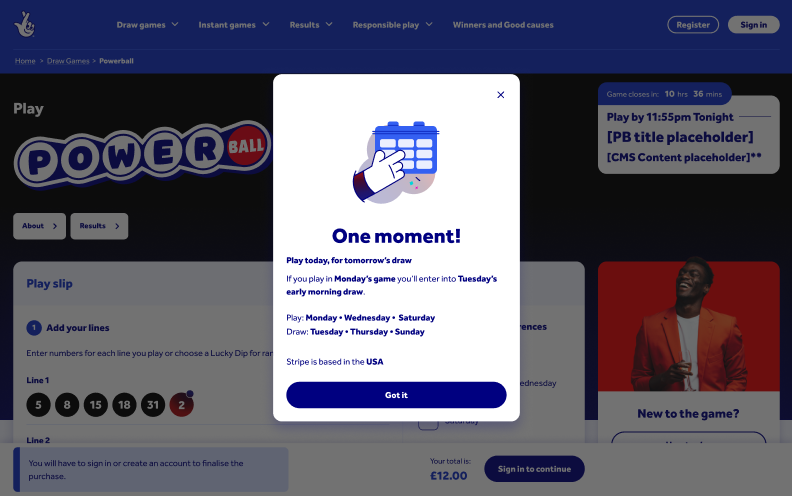
In the end after many rounds of research we found the least confusing way to convey to players that Powerball happens the day after they’ll purchase a ticket reliably! All without a copywriter.
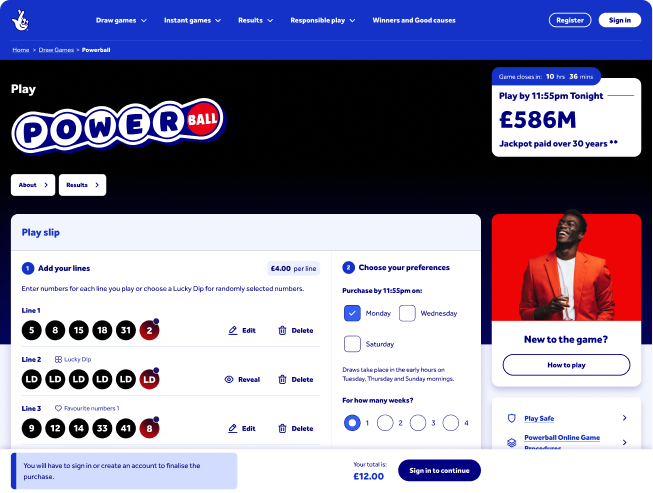
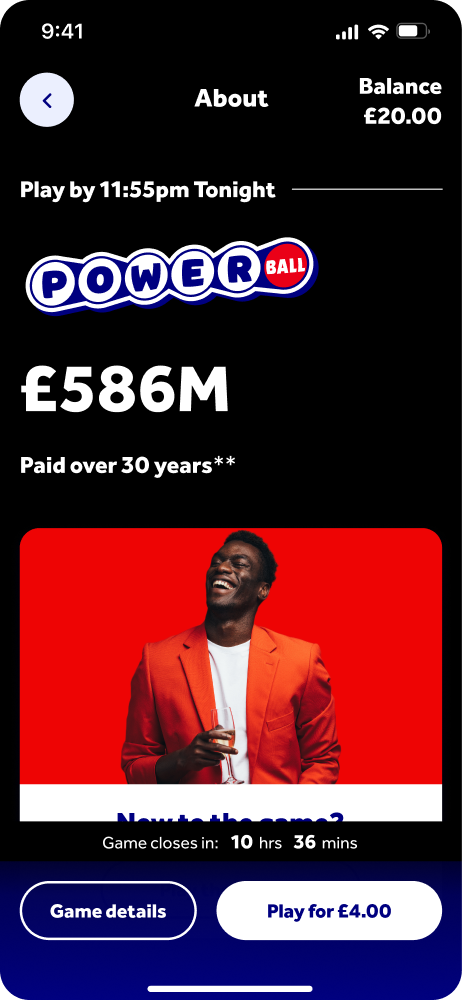
Adding the branding
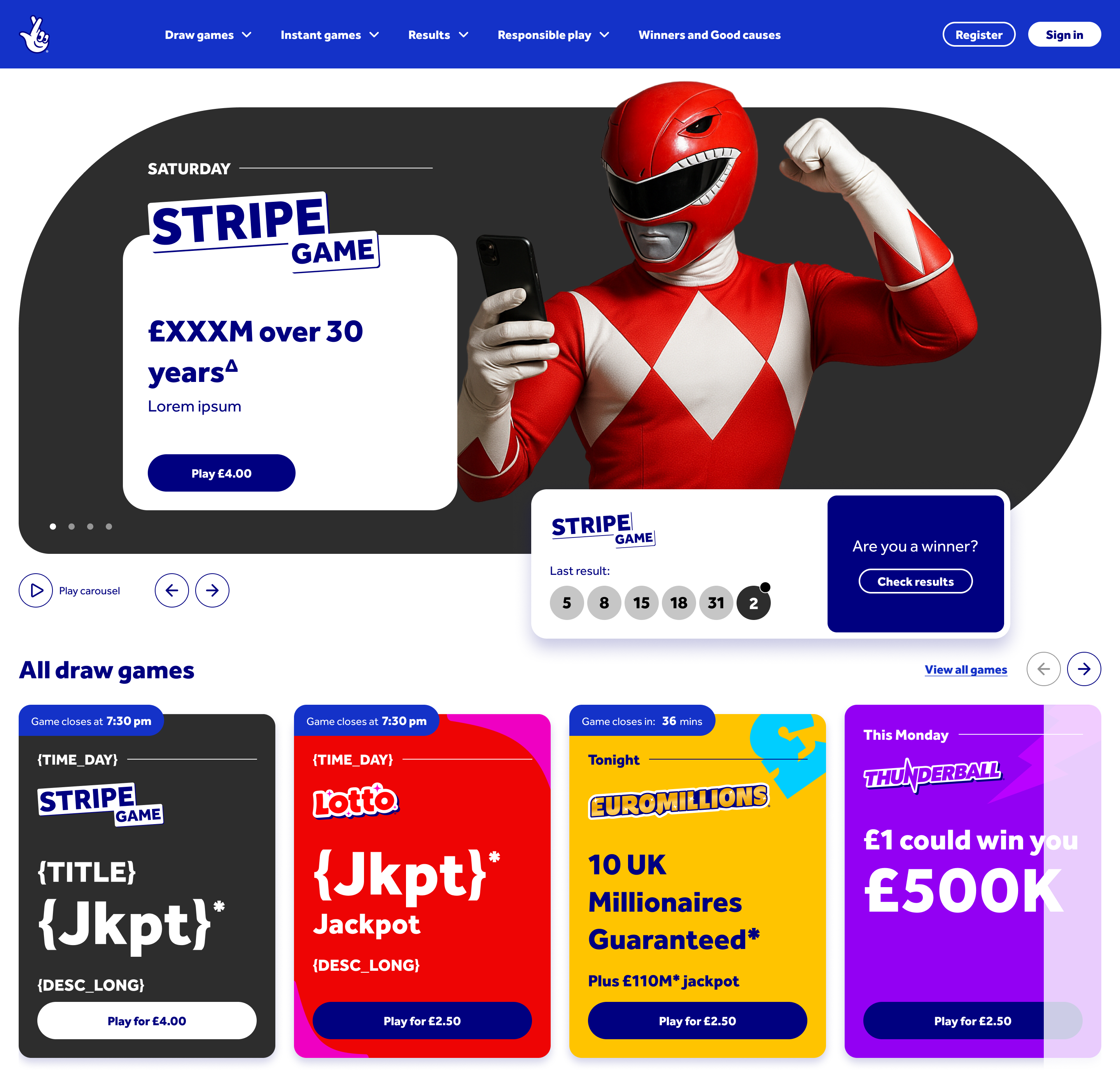
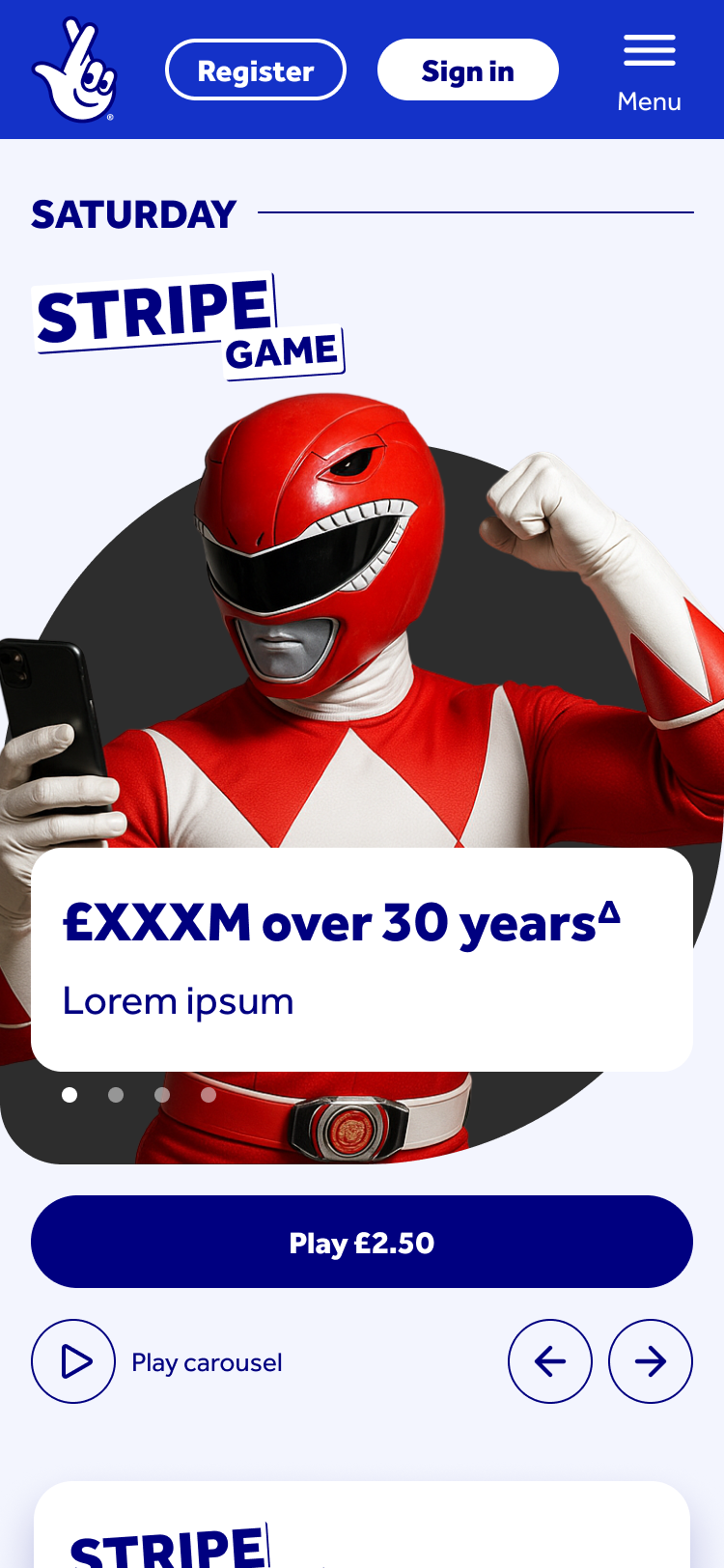
Once we had the logo we were let loose to add our own style on the digital product that we experimented with in the Design System before rolling it out for approval across our digital estate .
Initial success
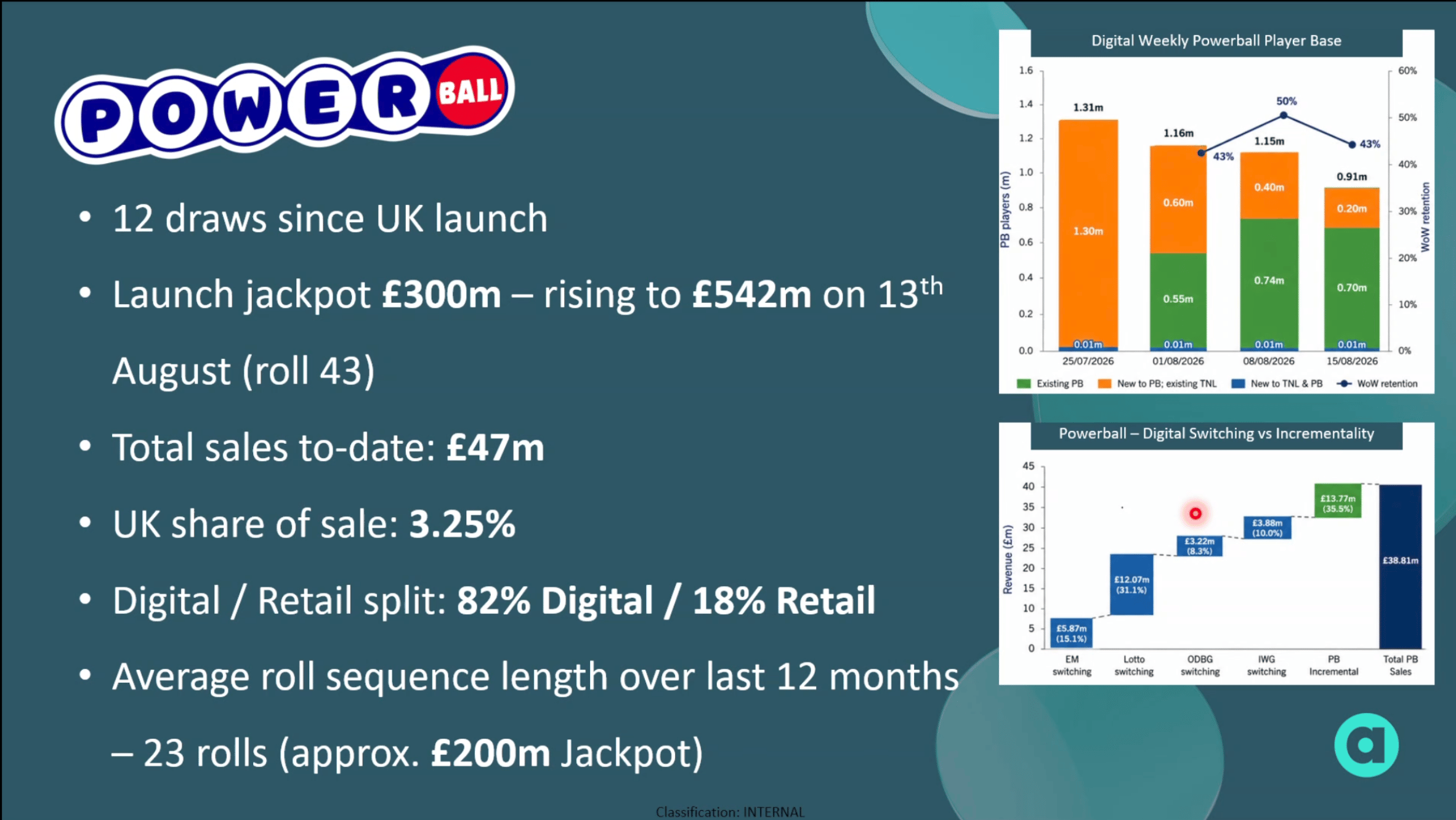
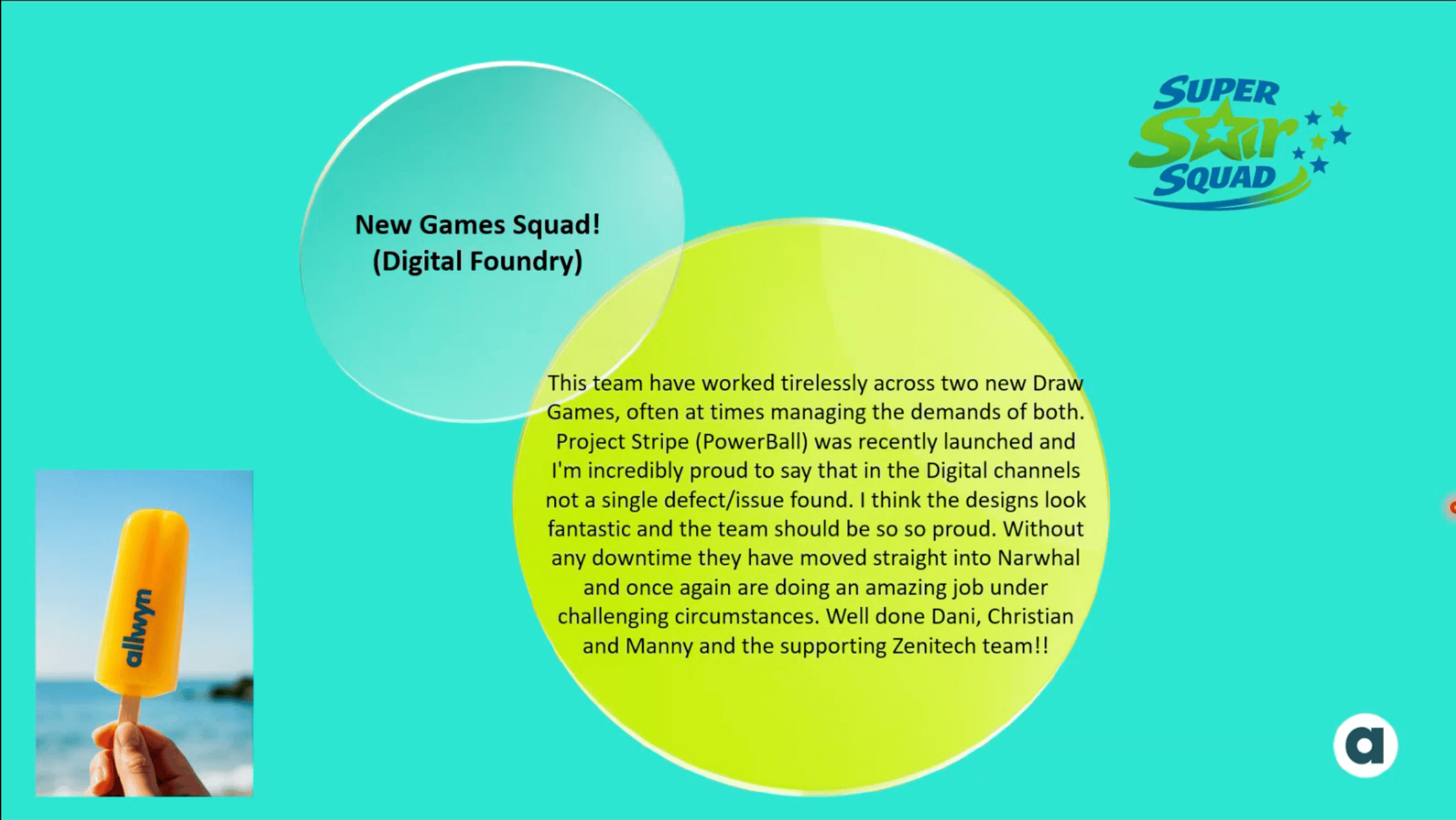
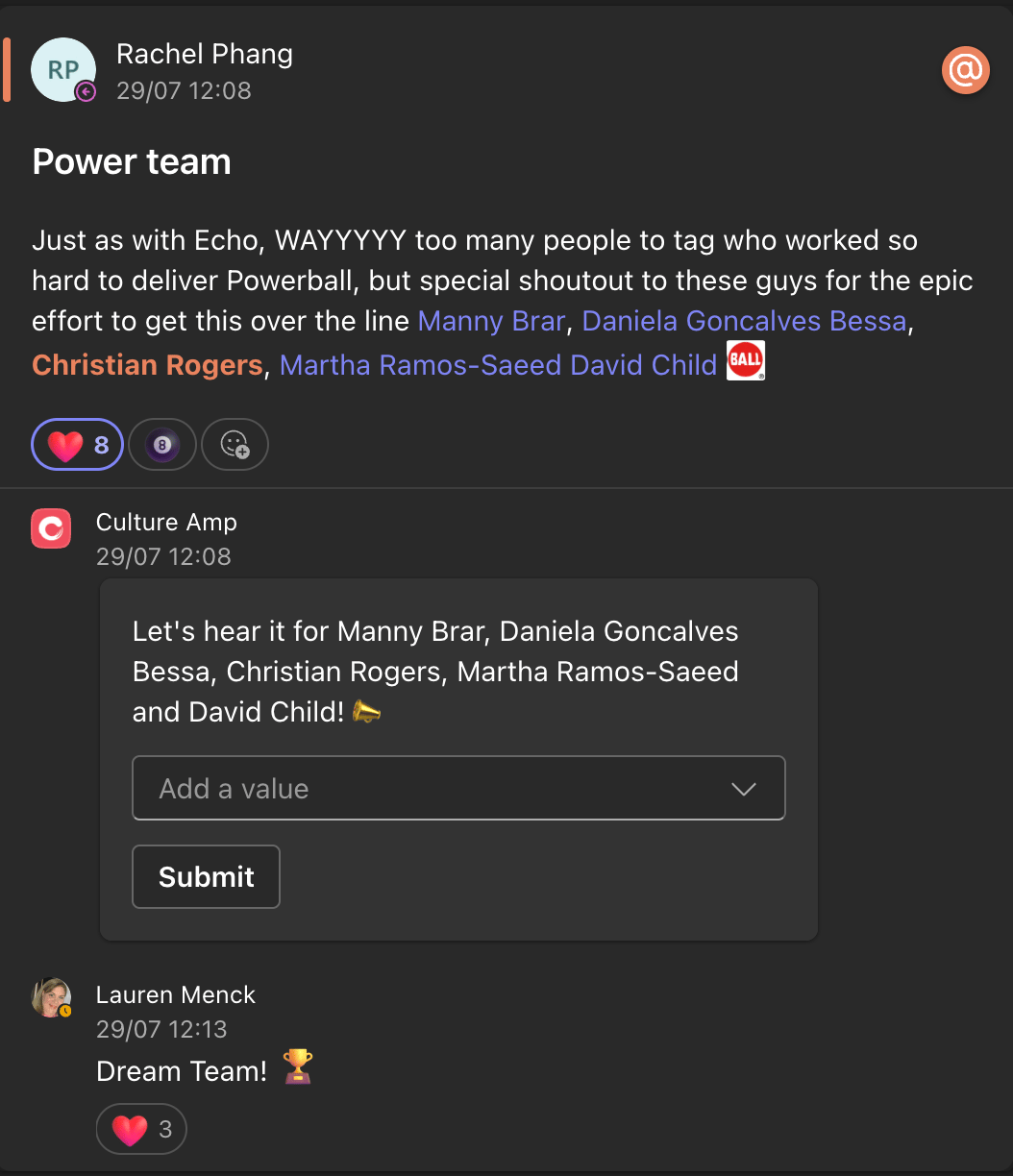
Powerball launched across retail and digital in July 2026. Allwyn made £47M in the first three weeks, with £12M of that going to good causes. That last number is the one I'm most pleased about: over a third of what it made was new money rather than players switching from EuroMillions or Lotto. 35.5% of incremental revenue was a lot higher than anticipated. In the end this won our squad a lot of praise and recognition for getting the job done, despite very trying circumstances.
What I learned
1
Research can steer an organisation: I went into that stakeholder group looking for an answer and ending up owning what came out the other end. I’ve always seen a great deal of value in research, but seeing it shape a whole organisation’s approach to a new product like this was novel and satisfying to see.
2
Design system investment pays off: The unglamorous file hygiene work we'd done is the only reason four days was enough to get the designs ready when assets finally arrived. Getting firmly stuck into design system work is now very much an every day aspect of what I consider to be core product design.
3
The simplest solution is usually right: Proving it to 35 stakeholders is the hard part. We spent four weeks and 227 testers arriving at something that looks obvious in hindsight. It wasn't at the time, and with such high stakes it’s no wonder there was as much debate as there was. Clear leadership on the matter and a cool head is what saved the day.
Want to see more?



@canrogersdesign 2026
